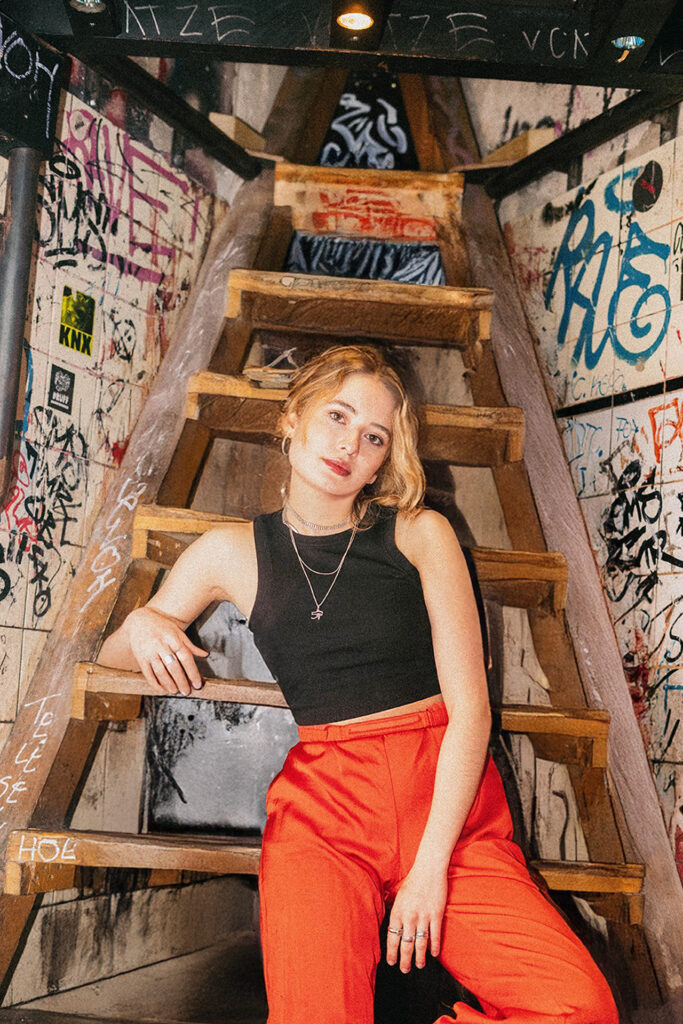
Clubs are places where people come together to experiment, connect, and create. They are spaces of democracy and unlikely encounters. Spaces where people can be seen, take up space, and move freely. Where communities form, differences are negotiated, and new ways of living together can emerge. They are where first ideas become reality, where new artists find their audience, where collectives take shape, and where unforgettable nights begin. These spaces are part of what makes Berlin Berlin. Club culture is woven into the city’s identity.
Keeping it alive takes everyone: the artists behind the decks, the people on the dancefloor, and those working behind the scenes to keep the lights on and the doors open. Support Your Local Club is an invitation to be part of that collective effort.
Keep Berlin’s spark alive. Club Culture in Transition.
This map tells the story of a city that found its own rhythm. It shows places where freedom was a way of life, where generations were shaped and Berlin became what defines it today. Some of these places no longer exist, but their stories live on and remind us how much this culture is worth.
Rising rents and displacement are putting clubs under growing pressure, while at the same time new places are emerging, from Tegel to the AVUS grandstand. That is exactly where this city’s strength lies: it never stops reinventing itself.
Club culture doesn’t run on its own. It lives through the people who stand up for it, celebrate it and protect it. For this transformation to succeed, it needs the next generation, claiming new spaces and carrying the culture forward. Let’s keep the flame alive together.
25 years of the Club Commission. 25 years of dedication to Berlin’s club culture.
What began in 2001 as an alliance against displacement is today the world’s largest advocacy group for club culture. We continue to champion free spaces, diversity, and cultural venues in this city.
Founded Out of Necessity
Berlin after reunification: techno takes over the vacant spaces along the Wall, clubs emerge across the city, and a scene grows, driven by optimism and experimentation. But in the early 2000s, pressure mounts: weekly police raids, the first waves of displacement, and a city government that barely acknowledges club culture. On May 8, 2001, a group of club culture stakeholders founds Clubcommission, the first organization of its kind anywhere in the world. No budget, no office, only the conviction that club culture needs a voice.
Finding a Voice, Building Structures
Berlin becomes the global capital of club culture. The hype is real, but so are the challenges. Gentrification spreads through the neighborhoods, while the Mediaspree development threatens clubs along the River Spree. Clubcommission learns to speak the language of politics and co-founds LiveKomm, the German Association of Club and Festival Culture. In 2011, Musicboard Berlin is established, today a key funding institution for the city’s music scene. In 2012, GEMA’s proposed tariff reform threatens hundreds of clubs. Clubcommission mobilizes the scene, and in 2013 a compromise is reached. Clubcommission proves that it can drive change.Lorem ipsum dolor sit amet, consectetur adipiscing elit, sed do eiusmod tempor incididunt ut labore et dolore magna aliqua. Ut enim ad minim veniam, quis nostrud exercitation ullamco laboris nisi ut aliquip ex ea commodo consequat. Duis aute irure dolor in reprehenderit in voluptate velit esse cillum dolore eu fugiat nulla pariatur. Excepteur sint occaecat cupidatat non proident, sunt in culpa qui officia deserunt mollit anim id est laborum.
Building Infrastructure, Shaping Urban Policy
Clubcommission grows alongside the city. In 2015, the Clubkataster is launched as an early warning system for endangered clubs, later becoming a model for Berlin’s broader Cultural Register. Another issue rises to the top of the agenda and continues to shape the organization today: awareness. The first training programs on door policies, discrimination, and safer spaces are developed. Then, in 2019, one major milestone was reached: the first Club Study demonstrates that club tourism generates €1.5 billion in revenue.
Pandemic, Solidarity, Recognition
On March 13, 2020, Berlin’s clubs close their doors. Within hours, United We Stream is launched, eventually reaching 40 million viewers worldwide. Clubcommission fights for emergency funding, enables safe open-air events, and establishes the Awareness Academy as a permanent institution. Out of the crisis comes the first DAY OF CLUB CULTURE, supported by €500,000 in funding from the State of Berlin. Since then, more than €2 million has been invested in the scene. And something historic happens: in 2021, the Berlin House of Representatives officially recognizes club culture as an integral part of the city. In 2022, the German Bundestag follows suit. What once seemed unimaginable becomes political consensus.
To be continued
The clubs have survived the pandemic, but they are not yet safe. The A100 motorway extension, club closures, and rising rents continue to threaten the scene. In 2023, the Parliamentary Forum for Club Culture is established within the Berlin House of Representatives. Clubcommission now holds a permanent place in political discourse. Today, Clubcommission represents more than 250 members, serves as an international model. Club culture contributes €4.5 billion annually to Berlin’s economy. In 2026, it celebrates its 25th anniversary, a milestone that celebrates the past, reflects on the present, and looks toward the future.
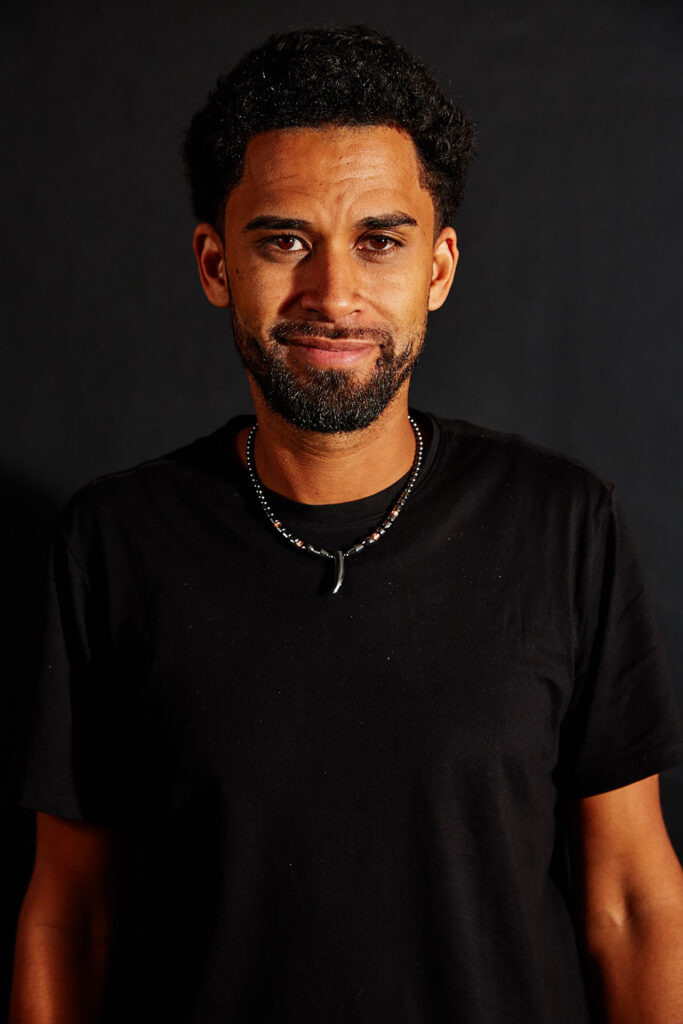
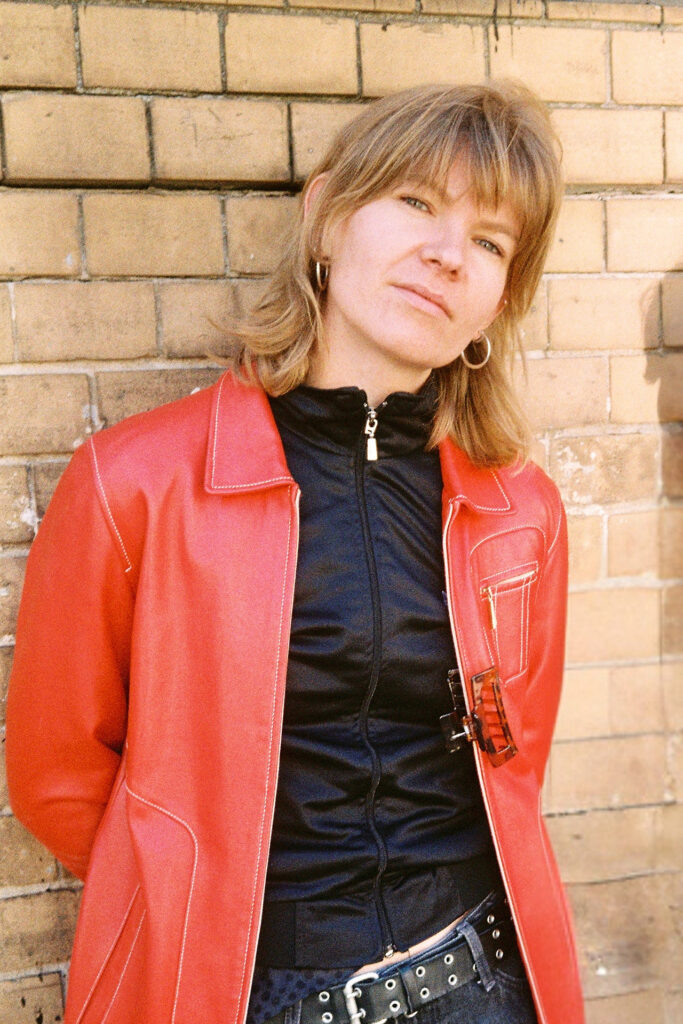
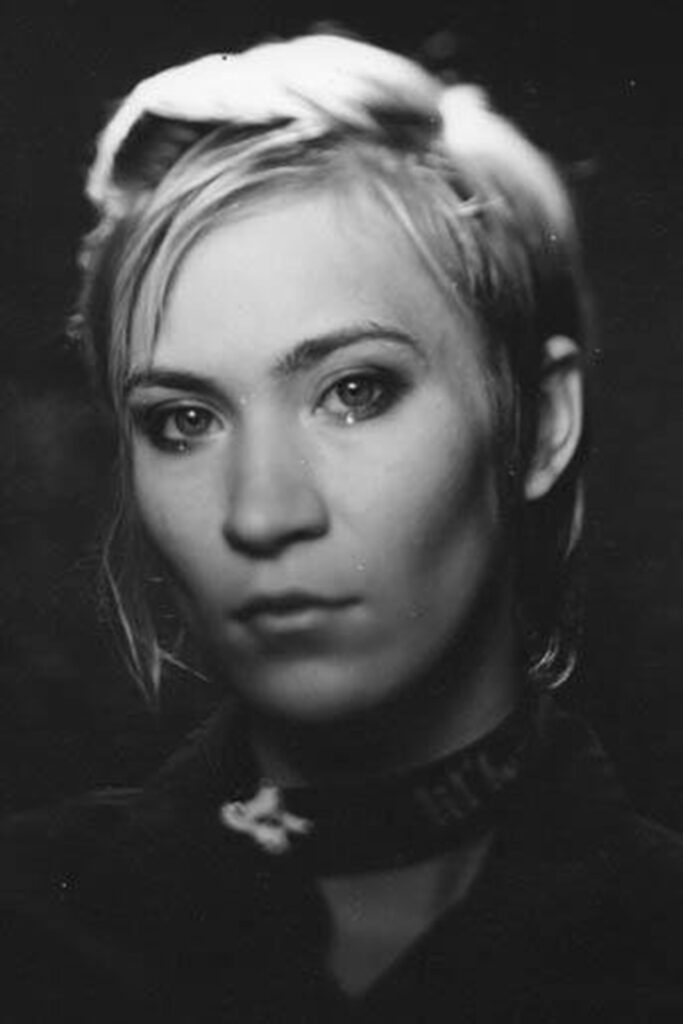
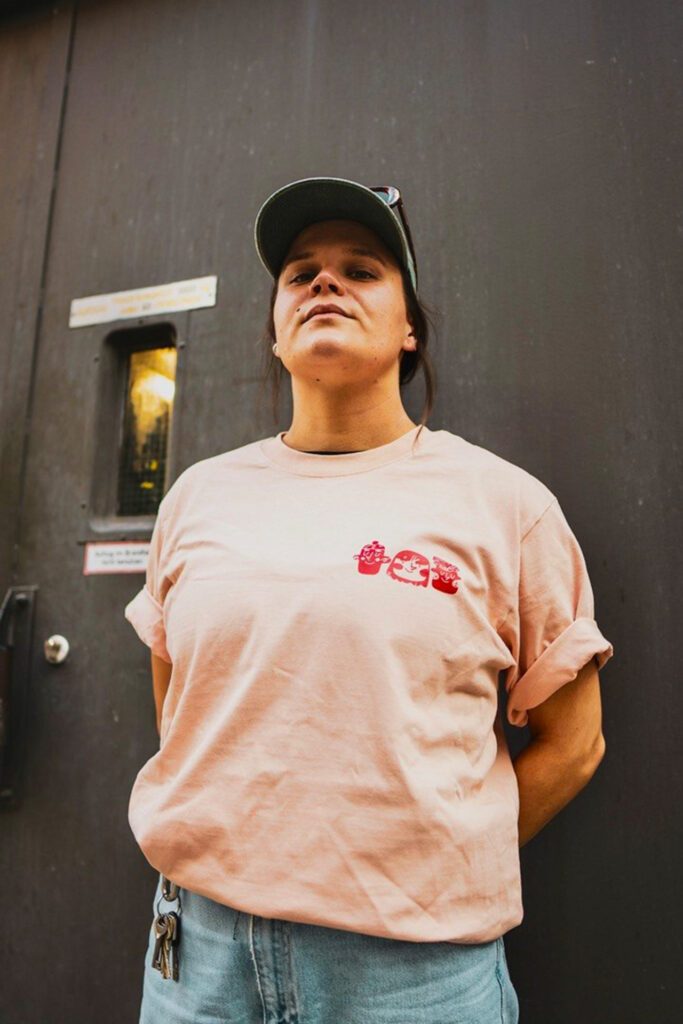
Jury
A jury selects the most convincing concepts and gives new talents the chance to make their vision a reality.
Aziz Sarr
Aziz Sarr has been a central figure in Berlin’s cultural landscape for over a decade, particularly through his contributions to the city’s vibrant club and music scene. As a promoter and DJ, he has consistently championed contemporary African and Afrodiasporic sounds – from Afrobeats and Amapiano to Kuduro, Afro House, and Gqom – playing a key role in bringing these genres to the forefront of Berlin nightlife.
He is a co-founder of the renowned collectives Freak de l’Afrique and RISE, both of which have made significant cultural impact through events, collaborations, and international outreach. In 2024, he took over the iconic Haubentaucher venue and transformed it into MAAYA – Berlin’s leading space for African music, art, and culture. Named after the African philosophy “I am because we are,” MAAYA serves as a vital platform for artists, collectives, and cultural producers from the African diaspora.
With his deep understanding of Berlin’s evolving cultural ecosystem and his long-standing commitment to inclusive and forward-thinking programming, Aziz brings a valuable perspective to the jury.
Chiara
Chiara is a member of khisdapaze e.V., which has been organizing the Sägewerk Festival at the former Cottbus-Drewitz Airport for four years and, since last summer, has also been running frachtkante – an interdisciplinary cultural space on the site of the old cargo canteen at the former Tegel Airport. This space is being created not only to provide a platform for Berlin’s club culture scene, but also to function as a vibrant hub for artistic production, cultural participation, and social interaction. She also brings experience as a DJ in Berlin’s club and festival scene.
Erika Šiekštelytė
Erika Šiekštelytė is the founder and owner of Panke Club, renowned for its meticulous musical curation, Chair of Panke Kultur e.V., and a dedicated community builder in Berlin. With a multidisciplinary professional background spanning accounting, finance, advertising, business management, and cultural production, she combines strong organizational and financial expertise with over a decade of experience leading one of Berlin’s independent cultural venues.
Originally trained in advertising and project management, Erika began her career as a chief accountant before moving into cultural entrepreneurship. She is also a licensed hot air balloon pilot and trained emergency medical technician, reflecting a professional path defined by precision, resilience, and leadership. Since 2017, she has been the co-founder and producer of Panke.gallery, supporting collaborations between established and emerging artists working across contemporary art and digital culture.
Through her work, Erika has built extensive international networks and actively contributes to initiatives such as Vorspiel Festival, Clubcommission Berlin, and other collaborative platforms that strengthen Berlin’s independent cultural scene. Passionate about creating sustainable spaces for artistic exchange, she is committed to fostering interdisciplinary collaboration, empowering creative communities, and supporting emerging talent.
Tizia Sari
Tizia Sari is an independent curator, radio host, and event producer based in Berlin. As a board member of THF Radio and Torhaus Berlin, she develops and implements cultural formats at the intersection of music, club culture, and urban development. Through her involvement in projects such as the production of the Alte Feuerwache THF, the Gaswerk Music Days, and numerous event and festival productions in various communities, her work creates spaces for artistic exchange and experimental formats.
Zoe Uellendahl
Born and raised in Berlin, the route seemed obvious: since 2014, Zoe has been navigating the city’s vibrant nightlife through various roles in the industry, working her way up to the position of club manager and board member of the Clubcommission.
Zoe’s passion for media led her to explore a second love: podcasting. Together with her colleague Jessica, she started Tresentalk, initially on bln.fm in 2018. The podcast explores a wide range of topics rooted in nightlife culture, addressing issues such as mental health in nightlife, sexism in line-ups, and providing insights into the event industry, while also hosting captivating conversations on music and club culture.
Through her role at the Clubcommission, she is particularly committed to supporting FLINTA* individuals and being a voice for the younger generation and giving emerging collectives and communities more visibility and helping them actively shape the nightlife of tomorrow.
Manage consent
To provide you with the best possible experience, we use technologies such as cookies to store and/or access device information. Consenting to these technologies will allow us to process data such as browsing behavior or unique IDs on this site. Not consenting or withdrawing consent may adversely affect certain features and functions.
Functional
Always active
The technical storage or access is strictly necessary for the legitimate purpose of enabling the use of a specific service explicitly requested by the subscriber or user, or for the sole purpose of carrying out the transmission of a communication over an electronic communications network.
Preferences
The technical storage or access is necessary for the legitimate purpose of storing preferences that are not requested by the subscriber or user.
Statistics
The technical storage or access that is used exclusively for statistical purposes.The technical storage or access that is used exclusively for anonymous statistical purposes. Without a subpoena, voluntary compliance on the part of your Internet Service Provider, or additional records from a third party, information stored or retrieved for this purpose alone cannot usually be used to identify you.
Marketing
The technical storage or access is required to create user profiles to send advertising, or to track the user on a website or across several websites for similar marketing purposes.